.webp)
.webp)
.webp)
.webp)
.webp)
CUET Score Accepted as Secondary Channel for B.Tech Admissions (Code 131)
13/03/2026


.png)

Selecting an appropriate college of engineering is among the biggest choices of students upon their 12th grade. BTech admission 2026 Delhi NCR is highly likely to be in demand with the competition among thousands of students annually over few available seats. Delhi NCR has emerged as one of the leading educational centers in India and students are provided with the best engineering colleges, contemporary infrastructure, and placement chances.
In case you want to study engineering, this guide will make you know about the admission process and the best colleges and the choices you can make in the Engineering admission 2026 Delhi NCR.
There are numerous high-quality engineering institutions and privatized institutions in Delhi NCR with several prestigious universities. Students throughout the whole of India have been opting to join BTech colleges in the Delhi NCR due to the good academic atmosphere, exposure to the industry and the prospects of securing a job within the area.
Admission to the best universities and technical colleges
Introduction to the top technology companies and startups
Improved internship and placement opportunities
High-technology laboratories and infrastructure
Another aspect that makes many students seek the Best BTech colleges in Delhi NCR is that the region offers a variety of specializations including:
Computer Science
Artificial Intelligence
Mechanical Engineering
Civil Engineering
Electronics
Engineering admission 2026 Delhi NCR normally begins shortly after the announcement of board exam results. Entrance exams such as JEE Main are considered in most colleges of engineering, and some of the private universities have their own entrance tests.
The general process of admission encompasses:
Applying and/or signing up to entrance exams or universities
Completing college preferences application forms
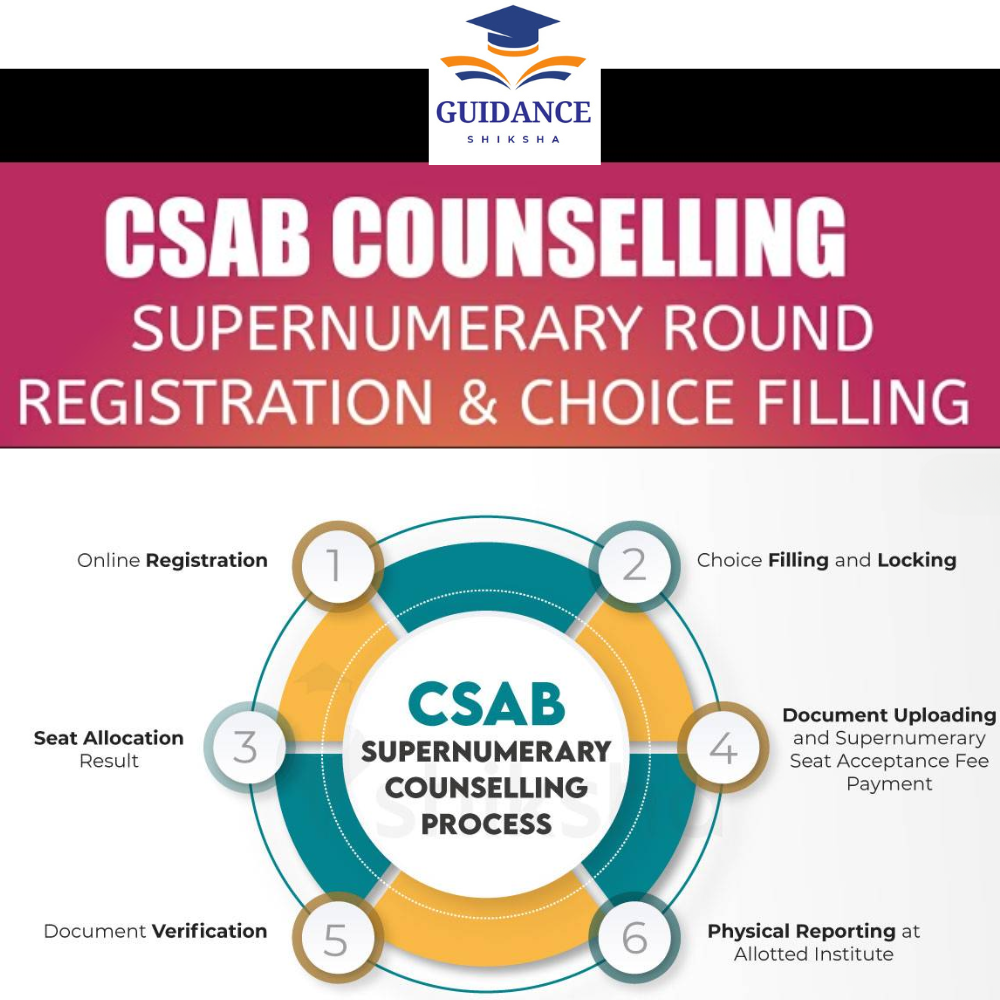
Partaking in counselling or admission rounds
Checking documents and payment of fees
Students are advised to do research on the Best BTech colleges in Delhi NCR before applying. Other things to be taken into consideration during the choice of college include the quality of the faculty, the infrastructure, the placement history, and even the industry associations.
Direct BTech admission Delhi NCR is also a platform that is visited by many students when they fail to access their seats via competitive entrance examinations. There are a number of privately-run engineering colleges, which are either through board exam or management quota.
Direct admission may also be a viable alternative to students when they desire to win a seat without undergoing several counselling sessions. The accreditation and reputation of the college should however be checked before seeking admission to Direct BTech Delhi NCR.
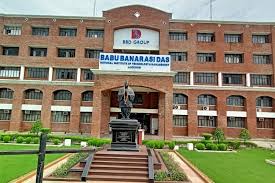
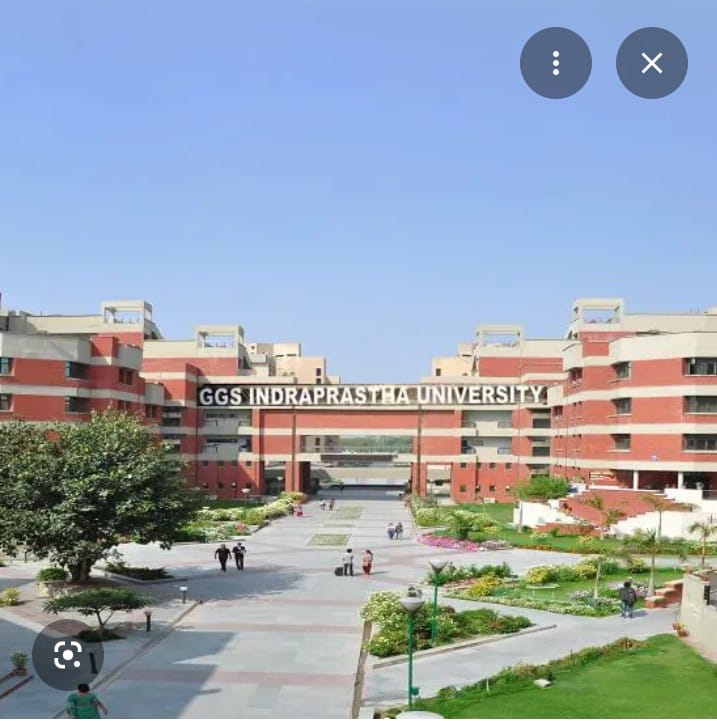
The area has broad spectrum of institutions that have good placements and education. Those students who are seeking BTech colleges in Delhi NCR will be able to identify government and other private universities that offer engineering programs.
All the institutes are well known in the name of the Best BTech colleges in Delhi NCR due to their good academic programs and placement records. In these institutions, the students are given a chance to collaborate with experienced faculty members and have practical exposure through projects and internships.
The students who want to study BTech 2026 in Delhi NCR must begin early research in colleges to determine the most suitable college with their desired major.
Most students and parents can be lost in the engineering admission process. Guidance Shiksha assists the students in knowing the whole process of admission into Engineering admission 2026 Delhi NCR by assisting them through reliable guidance of admission and counselling.
With the help of professional advice, the students would have an opportunity to find out which BTech colleges are in the Delhi NCR, compare courses, and select the correct institute according to their educational history and professional ambitions.
Guidance Shiksha helps students to be aware of eligibility requirements, admission process, and other opportunities of Direct BTech admission Delhi NCR.
The students will be able to use the available guidance and choose the Best BTech colleges in Delhi NCR with confidence and organize their engineering career.
Engineering has been one of the most preferred careers among students in India. There are many institutions and specializations that one can choose and that is why it is crucial to plan ahead for BTech admission 2026 Delhi NCR.
Through research of colleges, getting to know about the admission procedures and consultancy services, students are able to make wise choices about their future.
Be it applying by entrance examination or with the prospect of applying through Direct BTech admission Delhi NCR, the selection of the college is going to be of importance in determining a prosperous career in engineering.
The BTech admission 2026 Delhi NCR process usually starts in May–July, following the board examination results and announcement of entrance examinations.
In majority of BTech colleges in Delhi NCR, students should have completed 12th grade with Science subjects like Physics, Chemistry and Mathematics as the main subjects.
Yes, some private universities provide Direct BTech admission Delhi NCR based on board exam marks or institutional admission rules.
Faculty, infrastructure, placement records and industry exposure are the factors that students should assess when selecting the Best BTech colleges in Delhi NCR.
Guidance Shiksha offers counselling and admission assistance for Engineering admission 2026 Delhi NCR and helps students choose the right colleges and courses.
Yes, the ICAI CA Final admit card for January 2026 was released on December 18, 2025. Candidates can download it through eservices.icai.org.
Group 1: January 5, 7, 9
Group 2: January 11, 13, 16
The admit card is mandatory for entry into the examination hall.
Candidates can download the ICAI CA Final admit card by:
Logging in using SSP ID and password
Accessing the admit card section on the portal
Print colored copies of the admit card
Ensure details such as roll number, photograph, exam center address, timings, and instructions are clearly visible
Carry a valid photo ID (Aadhaar card, Voter ID, etc.)
No physical admit cards are dispatched.
Downloading the admit card at least 15 days before the exam is mandatory.
The CA Inter admit card Jan 2026 has also been released:
Group I: January 6, 8, 10
Group II: January 12, 15, 17
Candidates are eligible for the CA Final January 2026 examination if they meet the following conditions:
Must have qualified CA Intermediate
Must be registered for CA Final by September 1, 2025
Completion of articleship:
Old Scheme: 2.5/3 years completed by December 31, 2025
New Scheme: 2-year articleship completed by June 30, 2025
Advanced ICITSS completion is mandatory unless exempted
Exemption applies to certain old course candidates appearing once after conversion
Self-service candidates or those in the final 6 months of articleship are also eligible if completion is due by the end of the examination.
CA Foundation Exams: January 18, 20, 22, 24
The ICAI admit card includes:
Google Maps link to exam center
Reporting time for biometric verification
Reach the exam center early
Carry only permitted items
No electronic gadgets allowed
Question papers are bilingual
Candidates should regularly check eservices.icai.org for updates.
As of now, no postponement has been announced.
The ICAI CA Final admit card is compulsory for exam entry.
Candidates should verify all details immediately to avoid last-minute issues.

Guidance Shiksha is solely intended for educational purposes. We do not engage in marketing any products or services. Our platform is dedicated to providing guidance, information, and resources to support educational endeavors. Guidance Shiksha portal Whatever information is given is only for information. It has not been used for any publicity or dissemination purpose. And neither should anyone. We do not endorse or promote any specific products, brands, or services. Users are encouraged to verify information independently and consult relevant professionals for specific advice or recommendations. Guidance Shiksha holds no liability for any actions taken based on the information provided on our platform.
© 2026 Guidance Shiksha | All Rights Reserved


 2025.png)